

led bathroom mirror
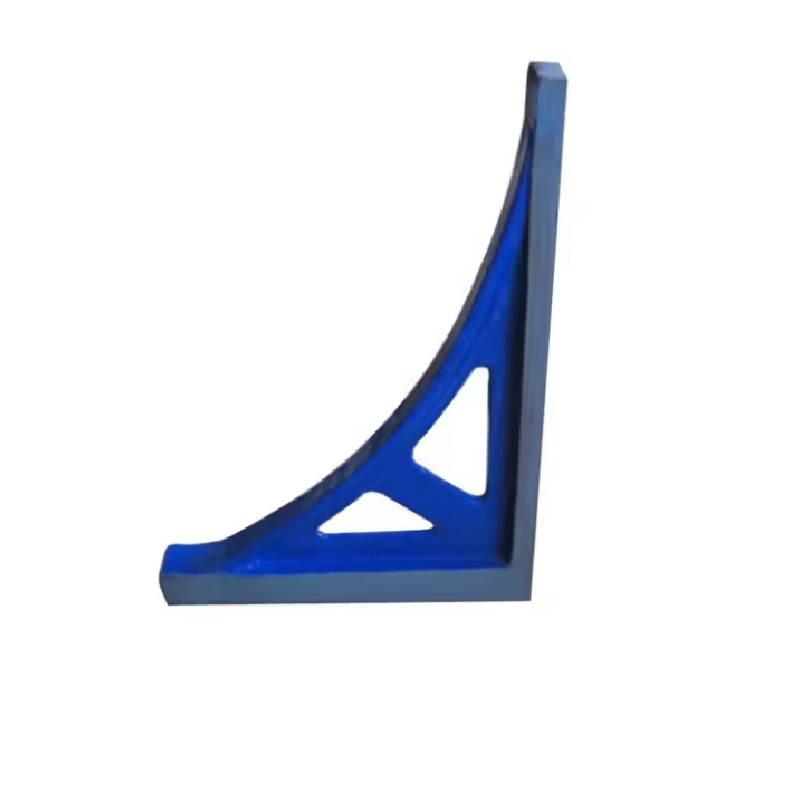
Accurate measurement requires properly calibrated instruments, especially when working with frame levels . Whether you use standard frame spirit level tools or high-end precision frame level equipment, following correct calibration procedures ensures reliable results. This guide details essential calibration techniques for these critical measurement devices. Preparation for Frame Levels Calibration Clean all surfaces of your frame spirit level before beginning calibration • Establish a stable, vibration-free workspace for precision frame level adjustment • Gather necessary calibration tools for frame levels including master levels • Ensure consistent temperature in the calibration area for frame spirit level accuracy • Verify all adjustment screws on your precision frame level move freely Step Instruction Details 1. Preparation Ensure the frame level is clean and free of debris. Check for any visible damage to the vials or frame. 2. Placement Position the level on the surface to be measured, ensuring it is stable and aligned with the direction of the intended measurement. 3. Waiting for Stability Wait until the bubbles in the vials are completely stationary before attempting to take a reading. 4. Reading the Scale Observe the scale indication on the level, which represents the inclination value based on a 1-meter reference. 5. Calculation Formula Use the equation: Actual Tilt Value = Scale Indication × L × Number of Deviation Grids where L is the length of the measured surface in millimeters. 6. Example Calculation - Scale reading: 0.02 mm/L - Length of surface (L): 200 mm - Number of deviation grids: 2 - Calculation: 0.02 × 1000⁻¹ × 200 × 2 = 0.008 mm 7. Interpretation The result (0.008 mm in the example) represents the actual tilt or deviation from level at the measured surface length. Horizontal Calibration of Frame Spirit Level Place the frame levels on a verified horizontal reference surface • Observe bubble position in the frame spirit level vial • Adjust calibration screws on precision frame level until bubble centers • Rotate the frame levels 180° to verify consistent readings • Repeat adjustment process until frame spirit level shows perfect horizontal alignment Vertical Calibration for Precision Frame Level Mount the frame levels against a precision vertical reference • Check frame spirit level bubble position in vertical orientation • Carefully adjust vertical calibration screws on precision frame level • Verify by rotating the frame levels 180° vertically • Confirm consistent readings from all frame spirit level vials Sensitivity Verification of Frame Levels Test precision frame level response using calibrated shims • Verify frame spirit level detects small angular changes • Compare frame levels against master calibration instruments • Check multiple measurement points across precision frame level range • Document sensitivity specifications for each frame spirit level Final Testing Procedures for Frame Spirit Level Perform temperature stability tests on frame levels • Verify precision frame level repeatability across multiple measurements • Check all frame spirit level vials for proper fluid clarity • Test frame levels under actual working conditions • Complete calibration certificate for precision frame level documentation Frame Levels FAQS Q: How does a frame level differ from a frame spirit level in measurement accuracy? A: A frame level typically refers to a rigid L-shaped tool with multiple bubble vials for checking horizontal and vertical alignment, while a frame spirit level emphasizes the use of liquid-filled vials for precision. The latter often has higher-grade vials (like 0.02mm/m sensitivity) and smoother surfaces, making it ideal for tasks requiring sub-millimeter accuracy, whereas basic frame levels suit general construction. Q: What features make a precision frame level suitable for industrial applications? A: A precision frame level incorporates reinforced aluminum or stainless steel frames to resist warping, laser-engraved scales for durability, and shock-absorbing end caps. Unlike standard frame levels, it may include magnetic bases for metal surfaces, dual vials for cross-checking, and certification (like DIN 876) to ensure accuracy within 0.05mm/m—critical for machinery alignment or aerospace setups. Q: Can a frame spirit level be used for both short and long surface measurements? A: Yes, but for long surfaces (over 1m), a frame spirit level with extendable arms or a longer body performs better. Shorter models (e.g., 600mm) work for small tasks, but longer levels reduce the need for overlapping measurements, minimizing error. For extreme lengths, pair a precision frame level with a straightedge to maintain accuracy across the entire surface. Q: How often should I calibrate a precision frame level versus a standard frame level? A: A precision frame level used in manufacturing or metrology needs calibration every 6–12 months (or after impacts), using a master flat or autocollimator. Standard frame levels in DIY settings can be checked annually by reversing them on a known flat surface. Neglecting calibration in precision tools can lead to cumulative errors—for example, a 0.1mm/m drift over 5m causes a 0.5mm deviation. Q: What safety precautions apply when using a frame spirit level at height? A: When using a frame spirit level on ladders or scaffolding, ensure the tool’s non-slip rubber feet grip the surface tightly. For heavy precision frame level s (over 3kg), use a lanyard to prevent drops. Avoid placing the level on uneven edges, as its rigid frame could topple—unlike flexible tools, a frame level’s weight and shape require extra care to prevent both injury and tool damage. Welcome to Storaen Machinery – Where Precision Forges the Future,Nestled in Botou, China’s ancient casting capital, Storaen (Cangzhou) International Trading Co. blends 2,000 years of metallurgical heritage with cutting-edge engineering. We’re not just manufacturers—we’re architects of industrial reliability, crafting cast iron welding platforms, precision measuring tools, and gauges that define accuracy for global industries. Our portfolio is a testament to innovation: from granite inspection blocks with HS70+ hardness to digital micrometer sets that measure down to 1μm. Every product carries the Botou legacy—cast in premium alloys, ground to 00-grade flatness, and tested through 27 quality checks. But our edge isn’t just in metal—it’s in mindset. We turn client challenges into custom solutions, whether a aerospace-grade parallel ruler or a factory-scale welding platform. Sustainability runs through our forges: recycled materials, energy-efficient casting, and a carbon-neutral supply chain. Join partners in 46 countries who trust us to power their precision. Explore www.strmachinery.com to discover how 21st-century tech meets timeless craftsmanship. Let’s shape the future—one micron at a time.
about
led bathroom mirror
Understanding Small Hole Bore Gauges Essential Tools for Precision Measurement In the realm of precision engineering and manufacturing, accurate measurements are paramount. The small hole bore gauge is a specialized tool designed for precisely measuring the diameter of small holes. This article aims to explore the significance, functionality, and advantages of small hole bore gauges in various applications. What is a Small Hole Bore Gauge? A small hole bore gauge is a measuring instrument that allows users to obtain accurate internal diameter measurements of holes that are often inaccessible or too small for standard measuring tools. These gauges consist of a handle and an expandable measuring head that can be inserted into the hole. Once the gauge is adjusted to fit snugly against the bore walls, users can take readings and ensure that the dimensions meet the required tolerances. Functionality and Design The design of a small hole bore gauge typically includes a tapered probe and a micrometer head. The tapered end enables the gauge to jiggle securely inside the bore. Most gauges feature a mechanism that allows the user to adjust the probe until it fits perfectly within the hole. This adaptability is crucial for accurate measurement as even slight deviations can lead to significant discrepancies in readings. Once the hole gauge is in place, readings can be taken using the micrometer scale. Some modern gauges come equipped with digital displays, providing added convenience and reducing the chances of human error. The versatility of these tools enables them to measure a wide range of hole sizes, often from a few millimeters to several centimeters in diameter. Applications of Small Hole Bore Gauges Small hole bore gauges are utilized in numerous industries that demand precision. Some common applications include 1. Manufacturing In the production of components such as bearings, bushings, and fasteners, maintaining precise hole dimensions is critical to functionality. Small hole bore gauges ensure that manufacturing processes meet quality standards. 2. Aerospace The aerospace industry places immense emphasis on precision due to safety concerns . Small hole bore gauges are frequently used for measuring fuel injector holes and various internal engine components. small hole bore gauge 3. Automotive In automotive manufacturing, components such as cylinders and valve guides require meticulous hole measurements. Bore gauges facilitate quality control processes to guarantee optimal performance. 4. Medical Devices Precision is vital in the medical field, especially in the production of devices like syringes and catheters. Small hole bore gauges help manufacturers ensure that these instruments meet strict regulatory standards. Advantages of Using Small Hole Bore Gauges The use of small hole bore gauges provides numerous advantages. - Accuracy These gauges are designed to provide precise measurements, which reduces the likelihood of defects arising from inaccurate internal diameters. - Ease of Use With ergonomic designs, even those with limited experience can effectively use these tools to obtain accurate readings. - Versatility Capable of measuring a variety of hole sizes, these gauges are suitable for diverse applications across multiple industries. - Portability Most small hole bore gauges are compact and easy to transport, making them ideal for fieldwork and on-site measurements. - Cost-Effectiveness Investing in a quality small hole bore gauge can significantly reduce costs associated with defective products and rework due to measurement errors. Conclusion In conclusion, small hole bore gauges play a vital role in various industries that prioritize precision and accuracy. Their unique design and functionality enable users to measure internal diameters that may be challenging to access with conventional tools. As technology continues to evolve, the development of advanced small hole bore gauges with digital enhancements further ensures the reliability and efficiency of measurements, paving the way for better quality control in manufacturing processes. The significance of investing in high-quality measuring tools like small hole bore gauges cannot be overstated, as they are essential for maintaining the stringent standards that modern industries demand.
-

High quality industrial productsagement

High quality industrial products
View Details -

Meet the diverse needs of customers

Meet the diverse needs of customers
View Details -

Strict quality control

Strict quality control
View Details -

Top raw materials

Top raw materials
View Details -

Trusted supplier

Trusted supplier
View Details
Our application


news and information

wood frame truss nail plate
Understanding Wood Frame Truss Nail Plates A Structural Perspective In the realm of modern construct
vibration pads
Understanding Vibration Pads A Comprehensive Guide In today’s fast-paced world, where machinery and

Water Pressure Valves - Optimize Your Water System Efficiency
Understanding Water Pressure Valves An Essential Component for Efficient Water Management Water pres
 English